

Duplicate, Lost, or Damaged Lottery Tickets: What to Do and Your Chances of Recovery
Lottery tickets are often treated casually until they turn out to be valuable. At that point, even minor issues such as a torn edge or missing ticket can become serious problems. In 2026, most official lottery operators follow strict validation procedures, meaning that ownership and ticket condition directly affect whether a prize can be claimed. Understanding how duplicates, lost tickets, and damaged tickets are handled is essential for anyone who participates in lotteries regularly or occasionally.
Duplicate Tickets: How They Occur and What They Mean
Duplicate lottery tickets can appear in several situations. The most common case involves accidental reprinting at a terminal due to system delays or user error. In retail environments, it is possible for the same number combination to be issued more than once, especially in quick-pick scenarios where the system generates random entries. However, each ticket still carries a unique barcode, which is the key element used for validation.
From a legal standpoint, duplicate number combinations do not mean duplicate ownership. The lottery operator recognises only the physical ticket with its unique barcode. If two players happen to hold tickets with identical numbers, both can claim a prize independently, provided each ticket is valid and properly issued. This is particularly relevant in large national lotteries where identical combinations are statistically possible.
Conflicts arise when the same physical ticket is duplicated through fraud or technical malfunction. In such cases, operators rely on internal logs, timestamps, and terminal data to determine which ticket was legitimately issued. Modern systems in 2026 include encrypted transaction records, making it easier to verify authenticity and reduce disputes.
How Operators Verify Authenticity in Duplicate Cases
When duplicate-related disputes occur, lottery operators prioritise the barcode scan. The first successfully validated ticket typically establishes the claim, but this is not the only factor considered. Backend systems record the exact time and location of ticket issuance, allowing investigators to trace the origin of each entry.
In more complex cases, especially when large jackpots are involved, additional verification steps may be required. These can include CCTV footage from retail points, payment receipts, and even identification checks of the claimant. The goal is to confirm that the ticket was obtained through legitimate means and not reproduced unlawfully.
Players are advised to keep receipts and avoid sharing ticket images publicly. Even though barcodes are secure, exposing ticket details online can increase the risk of misuse. In practice, maintaining control over the physical ticket remains the safest approach to avoiding duplicate-related complications.
Lost Lottery Tickets: Is Recovery Possible?
Losing a lottery ticket is one of the most common and frustrating scenarios. In most jurisdictions, a lost ticket is treated as lost property with no guaranteed recovery option. The fundamental rule remains simple: the ticket itself is the proof of ownership. Without it, claiming a prize becomes extremely difficult.
There are limited exceptions depending on the lottery operator. Some digital or registered-ticket systems allow players to link purchases to an account, which can serve as proof in case of loss. However, traditional paper tickets purchased anonymously at retail locations do not offer this protection. This distinction has become more important in 2026 as more operators encourage account-based participation.
Timing also plays a role. If a ticket is reported lost before the draw or shortly after, operators may flag the ticket number in their system. This does not guarantee recovery, but it can trigger additional verification if someone attempts to claim the prize using that ticket.
Steps to Take Immediately After Losing a Ticket
The first action is to document all available details: date of purchase, location, numbers selected, and any payment evidence. Even partial information can assist operators in identifying the transaction. While this rarely replaces the need for the ticket itself, it strengthens your position if a dispute arises.
Contacting the lottery operator directly is the next step. Many national lotteries have dedicated claim support teams that handle such cases. They may advise you on whether any internal tracking is possible, especially if the purchase was made using a card or linked account.
Finally, monitor the draw results and claim deadlines. If the ticket turns out to be a winning one and someone else attempts to claim it, your prior report may become relevant. Although recovery is not guaranteed, early action increases the likelihood of a fair investigation.
Damaged Tickets: When Condition Affects Validity
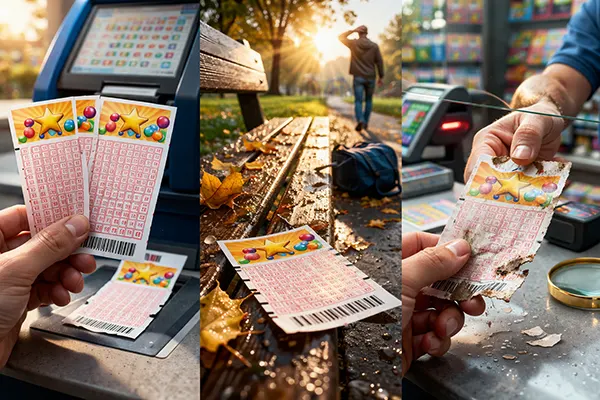
Damaged tickets fall into a grey area where the outcome depends on the extent of the damage. Minor issues such as small tears or faded print are usually acceptable as long as the barcode remains intact and scannable. The barcode is the primary verification tool, and its readability determines whether the ticket can be processed.
More severe damage, such as missing sections, water exposure, or completely illegible barcodes, complicates the process. In these cases, operators may attempt manual validation using serial numbers or transaction records. However, this is not always successful, especially if key identifying elements are missing.
In 2026, some lotteries have introduced enhanced ticket materials and digital backups to reduce damage-related issues. Despite these improvements, physical ticket care remains the responsibility of the player. Storing tickets in a safe, dry place significantly reduces the risk of invalidation.
How to Improve Your Chances of Claiming with a Damaged Ticket
If a ticket is damaged, avoid further handling that could worsen its condition. Place it in a protective sleeve or envelope and bring it directly to an authorised claim centre. Attempting to clean or repair the ticket yourself can lead to additional damage and reduce the chances of successful validation.
Provide any supporting evidence you have, such as purchase receipts or bank statements. While not always required, these documents can support your claim during manual verification. Some operators may also request identification to ensure the claim is legitimate.
It is also important to act within the official claim period. Even if the ticket requires additional verification, missing the deadline typically results in forfeiture of the prize. Acting promptly and following official procedures gives you the best possible chance of a successful outcome.